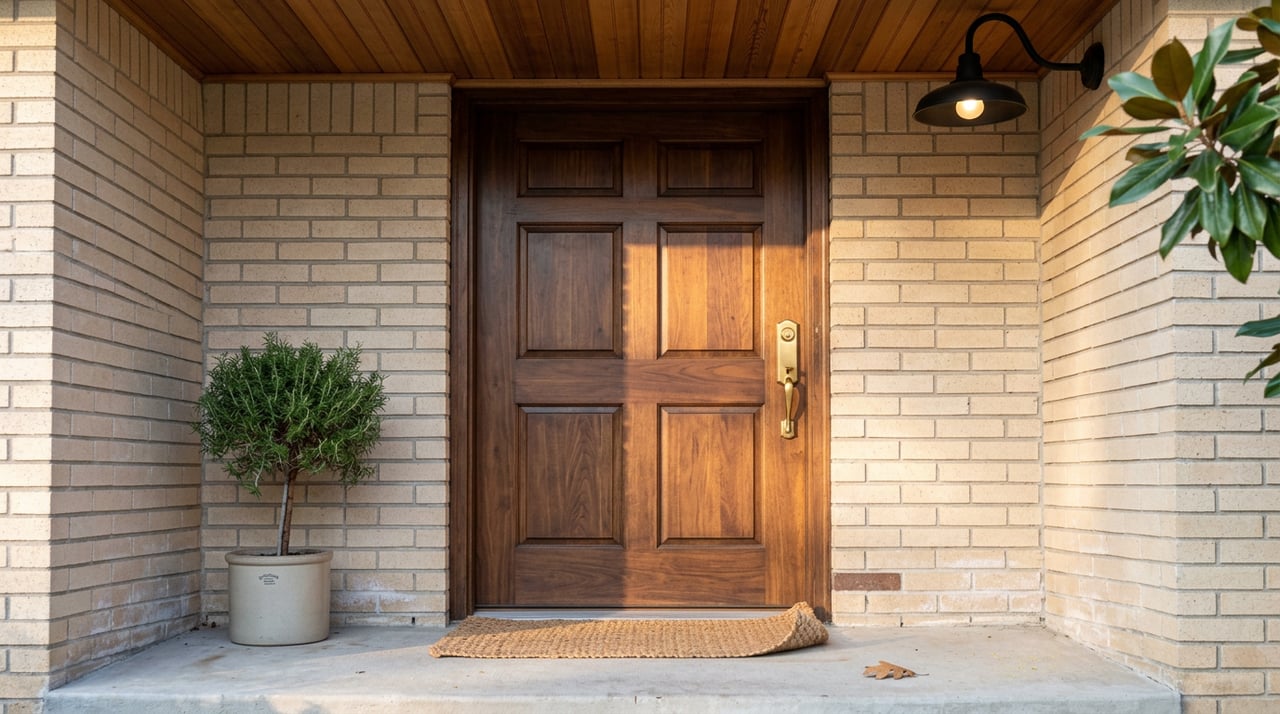
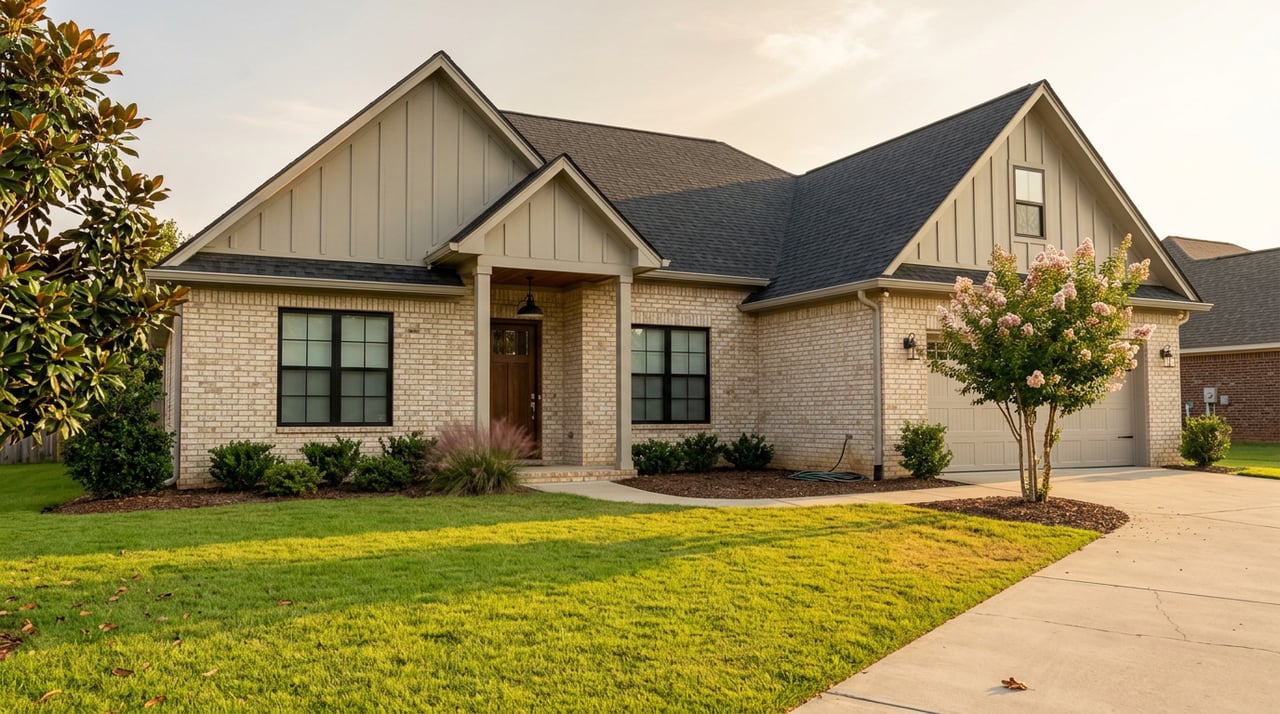
Selling in Sherwood: The Inspection Findings That Renegotiate Your Sale, and How to Get Ahead of Them
Most Sherwood sellers walk into a listing believing Arkansas's "buyer beware" reputation works in their favor. It does not. By the time your buyer's inspector is standing in a 72120 crawl space with a flashlight, the rule that matters is not caveat emptor. It is the one that says whatever gets written in that report is now a known material fact, and your agent has to carry it into the next conversation whether the current deal survives or not.
That is the piece the online guides skip. The inspection is not just a chance for this buyer to renegotiate. It is a disclosure ratchet that only turns one direction, and it turns fastest on the four or five findings that repeat in almost every Central Arkansas house.
Arkansas is a caveat emptor state. There is no statutory requirement forcing an individual seller to hand a buyer a written disclosure of defects, and Arkansas courts have historically enforced "buyer beware" clauses in purchase contracts. The Arkansas Real Estate Commission has been explicit about this: no state law requires every property owner to disclose the condition of the home when selling it.
The complication is Regulation 10.6. A licensed agent representing you is required to make reasonable efforts to learn material facts about the property and cannot look past a known defect on the way to the closing table. In practice, almost every Realtor-brokered transaction in Arkansas uses the Arkansas Realtors Association Seller Property Disclosure Form, which asks the seller close to sixty yes/no/unknown/N/A questions covering structure, drainage, systems, and known issues. A buyer's offer contract typically requests a copy.
Once an inspector puts a defect in writing and hands it to your agent, "I did not know" is off the table for the next showing. The first buyer walks. The second buyer's agent asks the question, and your side has to answer it honestly. That is why the deal that renegotiates hardest is usually the one where the seller learned the news at the same time the buyer did.
The Sherwood housing stock sits on the same expansive clay that runs under most of Pulaski County, gets the same 50-plus inches of annual rainfall, and sees the same hail and wind events every spring. Inspectors trained here know the pattern. These are the findings that recur.
Foundation movement on expansive clay. The soils under much of Central Arkansas swell when wet and shrink when dry, and they do it seasonally. Inspectors look for stair-step cracks in brick veneer, diagonal cracks near window and door corners, and interior doors that stick in July but close fine in February. Minor settling is common and usually not a deal-breaker. Active movement, or cracks wider than a quarter inch, will draw a recommendation to bring in a structural engineer, and that recommendation lives in the report.
Crawl-space moisture. Many Sherwood homes are built over crawl spaces rather than slabs, and Arkansas's rainfall combined with clay soil pushes water into them. Standing water, a torn or missing vapor barrier, rusted support jacks, and rot at the sill plate are all findings that read badly in a report even when the fix is straightforward. Encapsulated crawl spaces show up as a positive. The Arkansas Residential Code, Chapter 4, already requires a minimum six-inch fall in the first ten feet of grade away from the foundation, and inspectors check whether that is still true after fifteen or twenty years of settling and landscaping.
Roof age and hail wear. A typical Arkansas asphalt shingle roof has a 20 to 25 year service life, and inspectors expect to see granule loss and hail bruising on anything past year fifteen. If the roof is close to the end and you have not filed a storm claim, the report will say so, and the buyer will ask for either a replacement, a credit, or a price reduction.
Termite pressure and the WDI letter. Arkansas has heavy year-round termite activity, and a Wood Destroying Insect inspection is a separate report from the general home inspection. A WDI letter is typically required for VA loans and is standard practice for FHA and USDA files as well. Old tubes are not automatically disqualifying. Active infestation or evidence of structural damage is a different conversation.
HVAC age in a humid climate. Central Arkansas summers are hard on air handlers and outdoor units. Inspectors flag the manufacture date on the data plate. A twelve-year-old system that runs today is still a twelve-year-old system on the report, and buyers use that number to argue for a home warranty or a credit.
None of these are exotic. The point is that they are predictable, and once they land in an inspection report on your house, they are permanent facts about your listing.
Sherwood is not a market where sellers can wait out a picky buyer. Redfin's data showed a December 2025 median sale price of about $225,000 in Sherwood with roughly 59 days on market and 39 sales for the month, and Zillow's home value index for 72120 sat near $235,000 through the spring, up around 4 percent year over year. Prices are steady. Time on market is not.
The split matters. Central Arkansas market reporting through spring 2026 has well-priced, clean homes in Sherwood moving in the 10 to 21 day range, while overpriced homes or homes with visible repair needs are sitting 45 to 90 days or more. The gap between those two outcomes is almost entirely condition and pricing discipline. A listing that goes under contract in two weeks and comes back to market three weeks later with a killed inspection now looks stale, and the second buyer's opening number reflects that. The disclosure ratchet does the rest.
The sellers who avoid this are the ones who paid for information before the sign went in the yard, not after.
None of what follows is legal advice. It is a working checklist based on the findings that renegotiate Sherwood deals.
Order a pre-listing inspection. Budget $350 to $600 for a typical Central Arkansas home, more for larger or older properties. Use an inspector licensed by the Arkansas Home Inspector Registration Board. You want the same report a buyer would get, in your hands first, so you decide what to fix, what to price around, and what to disclose upfront.
Get eyes on the foundation and crawl space before an offer arrives. If there are stair-step cracks in the brick or a door that has been sticking for two summers, a structural engineer's letter costs a few hundred dollars and is often the difference between "monitored settlement" and a buyer's agent demanding a five-figure credit.
Fix the grading. Walk the perimeter after a hard rain. If water is pooling within three feet of the foundation, extend downspouts and correct the slope. This is cheap and it removes a paragraph from the inspection report.
Pull the WDI early. A clean termite letter in the listing file removes an entire category of contingency risk for VA, FHA, and USDA buyers, which is a meaningful share of Central Arkansas financing.
Document the roof and HVAC. If you have receipts for a roof replacement, a hail claim, or an HVAC service history, put them in a folder for the buyer. Age is a fact. Maintenance is a mitigating fact.
Complete the Seller Property Disclosure Form thoughtfully. "Unknown" is a legitimate answer where you truly do not know. What you cannot do is answer "no" to something you actually know is a "yes." That is the line where caveat emptor stops protecting anyone.
Price to the condition you actually have. A home priced for a clean inspection that has a fifteen-year-old roof and a damp crawl space is a home priced to renegotiate.
If Arkansas is a caveat emptor state, why bother with the disclosure form at all? Because the form protects you as much as it informs the buyer. A completed disclosure sets expectations early, reduces the shock value of the inspection report, and gives you a written record of what you said and when. Arkansas fraud law still applies. Silence about something you know is not the same as not knowing.
Do I have to fix everything the pre-listing inspection finds? No. You get to choose. The value of the report is control over the sequence. You decide what to repair, what to price for, and what to disclose. The buyer's inspector will find most of what yours found. The difference is that you are not learning it during a contingency window with a clock running.
What happens if my first buyer's inspection kills the deal? The findings do not reset when the buyer walks. Your agent now knows about them and, under AREC Regulation 10.6, cannot present the home to the next buyer as if the report never existed. That is why the strongest position is to get the information before you list, not after.
The Sherwood market rewards sellers who make decisions with information in hand and penalizes the ones who let the buyer's inspector set the agenda. If you are thinking about a move in the next few months and want a candid read on what your specific house is likely to show and how to prepare for it, Caleigh Dumas is happy to walk the property with you before anything goes public. Let's Connect.


My approach combines market knowledge, strategic marketing, strong communication, and a commitment to putting my clients’ goals first. Whether you’re purchasing your first home, building new construction, upsizing, downsizing, or preparing to sell, I’m here to provide honest guidance, thoughtful strategy, and an experience that feels seamless from start to finish.
Caleigh Dumas
(501) 864-5595
[email protected]
EDGE REALTY
(501) 843-4663
2239 BILL FOSTER MEMORIAL HWY W STE E
CABOT AR 72023